Harmonic Consideration for Data Centers
By Rick Hombsch
Director of Engineering – MTE
What are harmonics?
Harmonics in an electrical system refers to unwanted distortions in the power signal that disrupts the normally smooth waveform of electricity. Harmonics are caused by non-linear loads, which are loads that draw current that is not a pure sinewave and include both fundamental and non-fundamental content. The most common type is a 3-phase rectifier used in VFDs. Harmonic content is often summarized into a single number called harmonic distortion.
Sources of Harmonics in Datacenters
The use of non-linear loads is typically driven by the increased efficiency gained by using them. Different harmonic loads contain unique harmonic signatures. Typical harmonic loads found in datacenters are caused by chillers, pumps, fans and Coolant Distribution Units (CDUs).
Impacts of Harmonics
Harmonic currents travel through all infrastructure and can cause additional heating in upstream components including transformers and even wiring.
Harmonic current distortion (THID) creates harmonic voltage distortion that impacts everything connected to the system. This voltage distortion can lead to equipment faults and inconsistent equipment performance. Complete equipment failure is also possible. Overall harmonics can have significant impacts on datacenter reliability.
Solution: SyntriX AHF™
Active harmonic filters measure system harmonics and produce anti-harmonics to cancel them. Traditional active filters utilize Insulated Gate Bipolar Transistor (IGBT) based technology. MTE’s SyntriX AHF™ leverages silicon carbide (SiC) technology. which can result in an increase in system efficiency by up to 1% compared to an IGBT filter. For datacenters where power consumption is significant, this 1% difference is substantial.
In addition to improved efficiency, the SiC technology in the SyntriX AHF™ also results in a footprint up to 30% smaller than similar sized IGBT based units.
How to specify
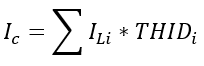
Active harmonic filters are specified based on correcting current required. Correcting current can be estimated utilizing just two values, load current (IL) multiplied by the harmonic current distortion (THID). This calculation is completed for each non-linear load and summed to determine total correcting current.
Typical non-linear loads will have a THID value around 30-40%. This range can be utilized to help estimate harmonic filter requirements.
Where filters are implemented
Active harmonic filters are implemented by connecting them to the same voltage source as non-linear loads. Current Transformers (CTs) are then connected upstream to measure current to be corrected. One potential location active filters can be implemented is in the switchgear (See Figure 1).
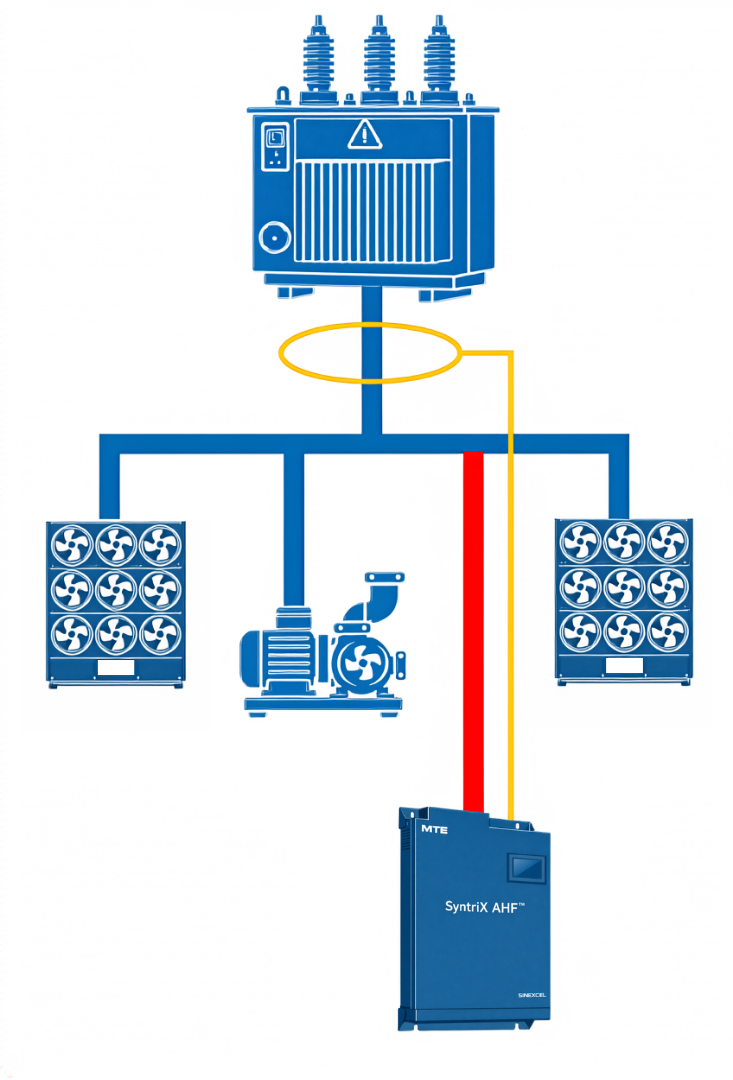
Figure 1: Switch Gear Active Filter Implementation
Another potential location is on UPS outputs. UPS systems are not designed to support high amounts of harmonic currents. Active filters are implemented on the output of UPS systems that are supporting non-linear loads. (See Figure 2)
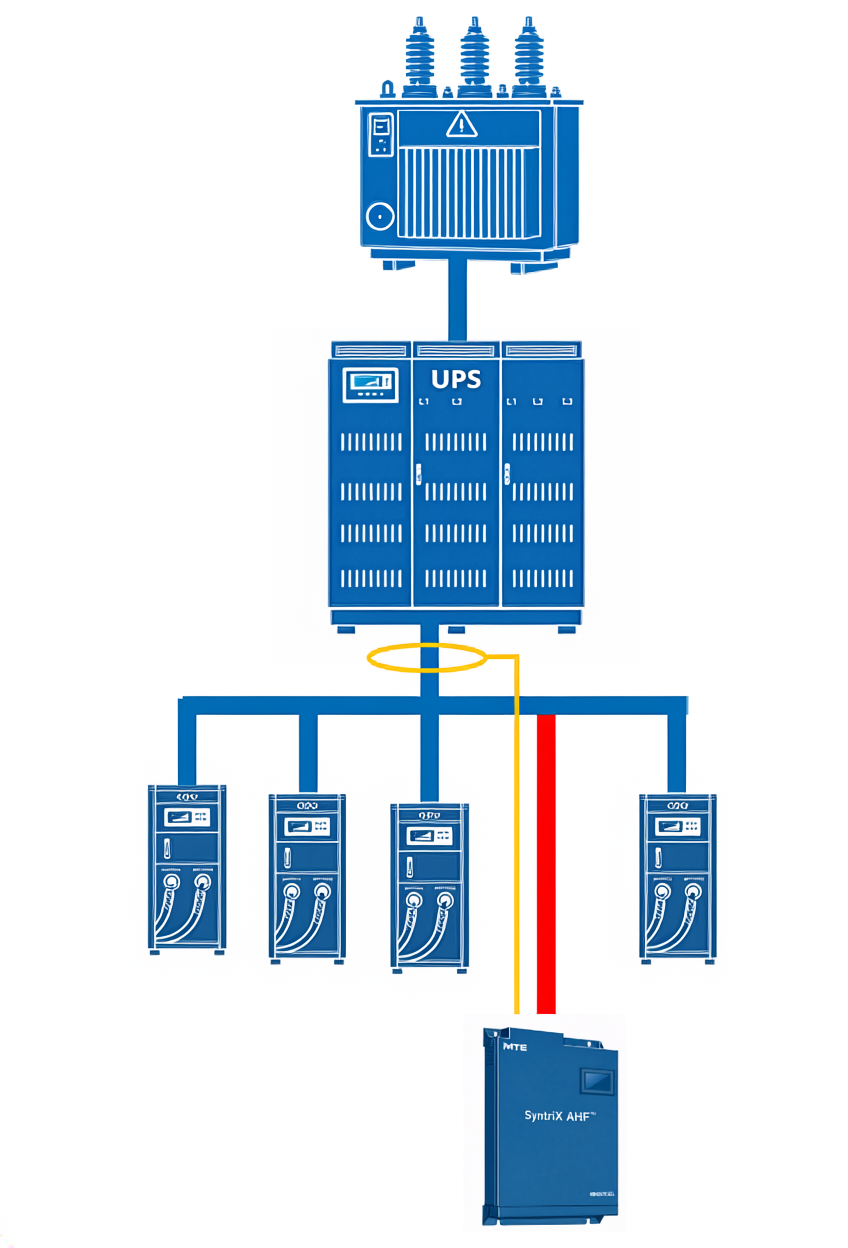
Figure 2: UPS Active Filter Implementation
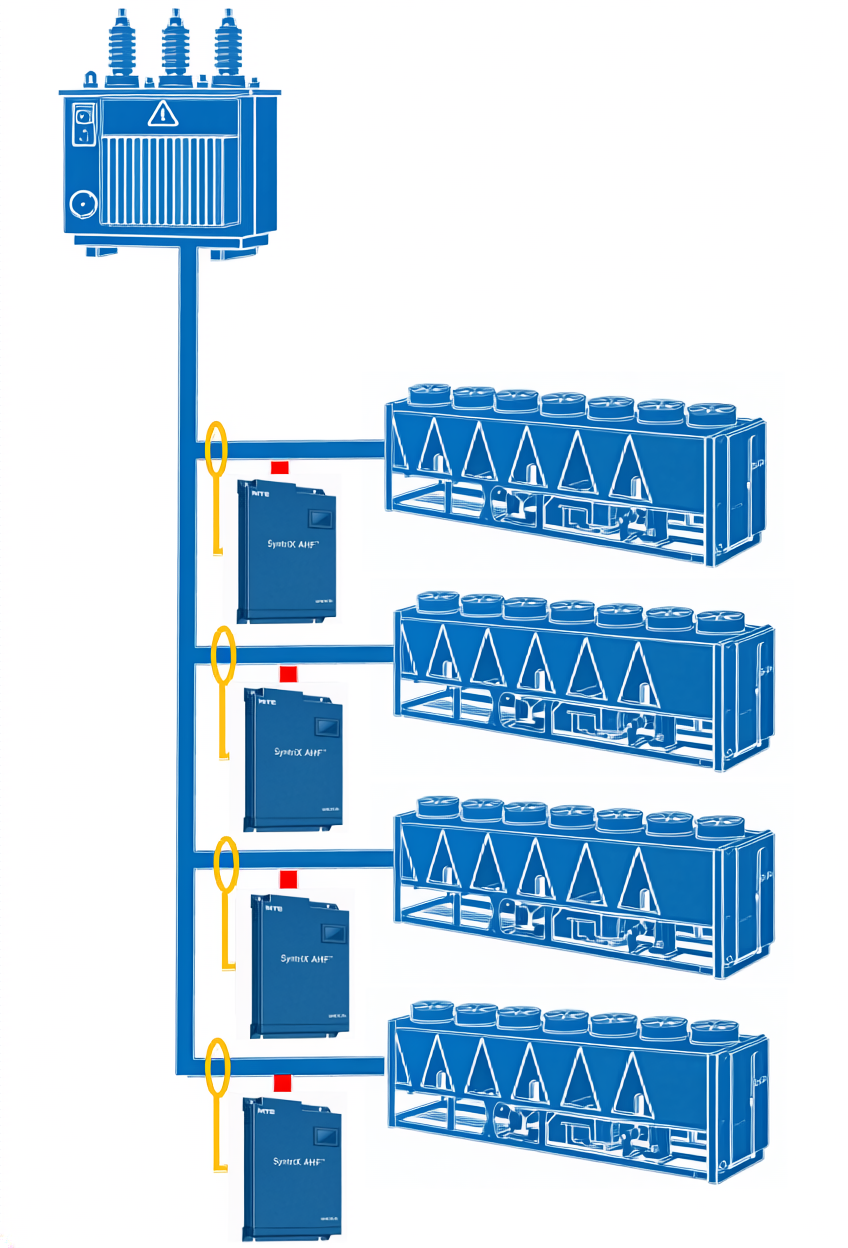
One of the biggest sources of harmonics in datacenters is chillers. Due to the large number of harmonics produced by each individual chiller, harmonic mitigation is often addressed on each piece of equipment. Harmonics can be mitigated with either passive (Figure 3) or active (figure 4) filter solutions.
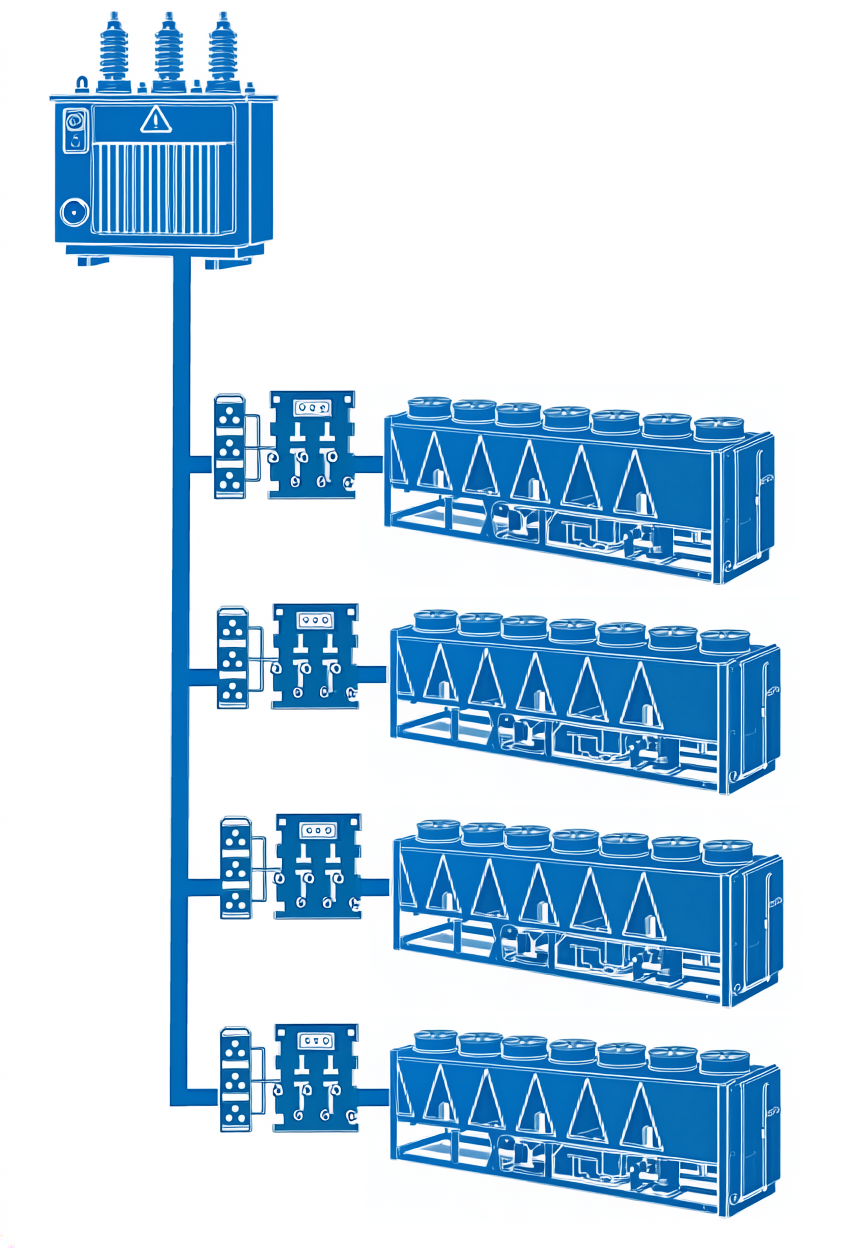
Figure 3: Passive Filter Chiller Implementation